Grogan Stump
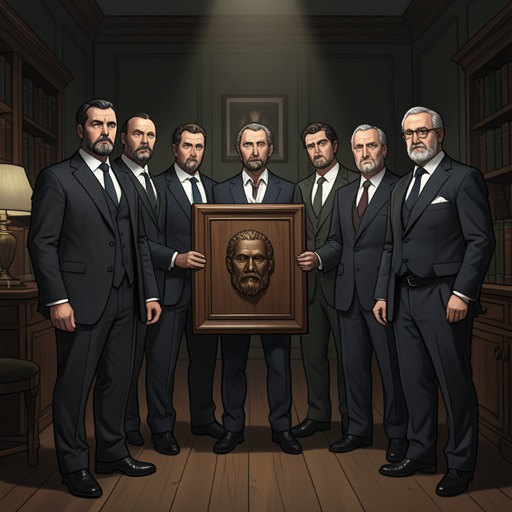
Fantastic Beasts and Where to Find ThemGrogan Stump was the newly appointed Minister for Magic when, in 1811, he issued the definition of a “being” that most of the magical community found acceptable. His decree tied status to the ability to understand magical law and share responsibility for shaping it, and it established the three administrative divisions of the Department for the Regulation and Control of Magical Creatures that remained in place: Beast, Being, and Spirit.
The 1811 definition
The definition marked a turn from earlier, contested attempts to decide which magical creatures qualified as “beings.” Stump’s test joined intellectual capacity to civic participation: a creature had to understand the laws of the magical community and bear part of the responsibility for making them. Classification was therefore not simply a judgment about appearance or species; it determined how a creature could be recognized within the community’s legal and political order.
Classification and its limits
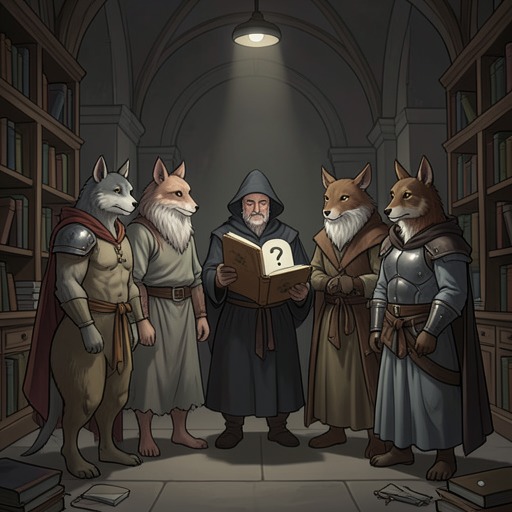
The decree’s application showed how sharply that test could exclude. Troll representatives were questioned without goblins present and judged unable to understand what was being said to them; they were consequently classified as “beasts.” Gnomes, despite their humanoid appearance, were also placed firmly in that category. The contrast between physical resemblance and assigned status underscores the decree’s reliance on presumed understanding, as well as the authority of those conducting the assessment.
Stump made an exception for ghosts, who objected that calling them “beings” was insensitive when they were plainly “has-beens.” Their intervention produced a distinct Spirit Division alongside the Beast and Being divisions. The resulting structure accommodated a category that the principal definition did not readily capture, while turning the classification debate into a lasting feature of magical administration.
Wider significance
Stump’s framework helped settle a dispute that had persisted across earlier definitions, but it did not end disagreement over who should share “being” status. Centaurs objected to being grouped with creatures such as hags and vampires and declared that they would manage their affairs separately from wizards; merpeople made the same request a year later. The Ministry of Magic reluctantly accepted their demands. Although a Centaur Liaison Office existed within the Beast Division, no centaur used it, and the phrase “being sent to the Centaur Office” became Ministry shorthand for someone about to be fired. The gap between formal classification and negotiated autonomy reveals the limits of Stump’s administrative settlement.
His ministerial period also sits within a wider expansion of magical creature governance. In 1750, Clause 73 was inserted into the International Code of Wizarding Secrecy, assigning wizarding governing bodies responsibility for concealing, caring for, and controlling magical creatures in their territories. The Ministry’s Department for the Regulation and Control of Magical Creatures became its second-largest department, addressing the varied needs of creatures that could remain conspicuous to Muggles. Later measures included strict oversight of trade and the 1965 Ban on Experimental Breeding, which made the creation of new species illegal. These developments belong to the broader system of regulation rather than being presented as Stump’s individual acts; his enduring contribution was the domestic classification structure and the definition on which it rested.